
MACI® Procedure in Knoxville, TN
Advanced Knee Cartilage Restoration at Parkwest Surgery Center
If you’re living with ongoing knee pain caused by damaged cartilage, everyday activities like walking, climbing stairs, or exercising can become increasingly difficult. At Parkwest Surgery Center in Knoxville, TN, our experienced orthopedic surgeons offer the MACI® procedure (Matrix-Induced Autologous Chondrocyte Implantation), an innovative treatment designed to repair damaged knee cartilage using your own healthy cartilage cells.
Unlike treatments that simply relieve symptoms, the MACI procedure is designed to restore damaged cartilage, helping improve knee function, reduce pain, and preserve your natural joint for the long term.
What Is the MACI® Procedure?
The MACI® procedure is an advanced cartilage restoration treatment used to repair isolated areas of damaged cartilage within the knee. Because cartilage has very little ability to heal on its own, untreated damage can lead to persistent discomfort, swelling, reduced mobility, and worsening joint function over time.
MACI is a personalized, cell-based procedure that uses your body’s own cartilage cells to regenerate healthy cartilage tissue. This approach helps restore a smoother joint surface while supporting improved movement and long-term knee health.
How Does the MACI® Procedure Work?
The MACI procedure is completed in two stages.
Step 1: Cartilage Biopsy
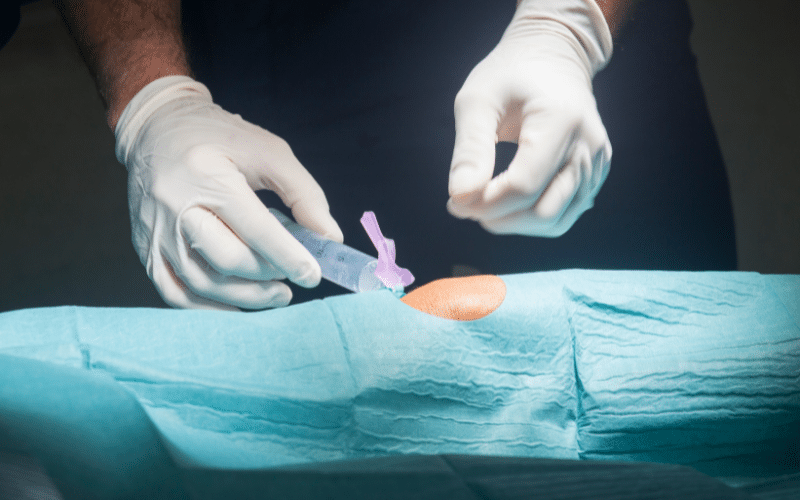
Your orthopedic surgeon begins by performing a minimally invasive procedure to remove a small sample of healthy cartilage from a non-weight-bearing area of your knee.
Step 2: Cell Culturing
The cartilage sample is sent to a specialized laboratory where your cartilage cells are multiplied over several weeks. The expanded cells are then placed onto a collagen membrane, creating a personalized MACI implant.
Step 3: Cartilage Implantation
During a second surgical procedure, your surgeon carefully places the MACI implant into the damaged cartilage area. The implant is secured within the defect, where the cells begin developing new cartilage tissue that integrates with your existing joint.
Who Is a Candidate for the MACI® Procedure?
You may be a good candidate for MACI surgery if you:
- Have localized cartilage damage in the knee
- Experience chronic knee pain, swelling, stiffness, or limited mobility
- Have not achieved lasting relief with physical therapy, injections, medications, or other conservative treatments
- Want to preserve your natural knee joint rather than undergo knee replacement surgery
- Are healthy enough to participate in the required rehabilitation program
Your orthopedic surgeon will perform a comprehensive evaluation, including imaging studies and a physical examination, to determine whether the MACI procedure is the most appropriate treatment for your condition.
Recovery After the MACI® Procedure
Recovery following MACI cartilage restoration requires patience and commitment to rehabilitation. Physical therapy is an essential part of the healing process and helps restore strength, flexibility, range of motion, and overall knee function.
While every patient’s recovery timeline is unique, most patients can expect:
- Limited weight-bearing with crutches immediately after surgery
- Gradual progression to full weight-bearing over several weeks
- A structured physical therapy program throughout recovery
- Return to many low-impact daily activities within several months
- Continued improvement as the repaired cartilage matures over time
Following your surgeon’s rehabilitation plan is one of the most important factors in achieving the best possible outcome.
Schedule a Consultation for the MACI® Procedure in Knoxville
If knee cartilage damage is limiting your quality of life, the experienced orthopedic surgeons at Parkwest Surgery Center can help determine whether the MACI® procedure is right for you. We are committed to providing advanced cartilage restoration treatments that help patients reduce pain, restore mobility, and return to the activities they enjoy.
Call (865) 800-4486 today to schedule a consultation and learn more about MACI surgery in Knoxville, TN.